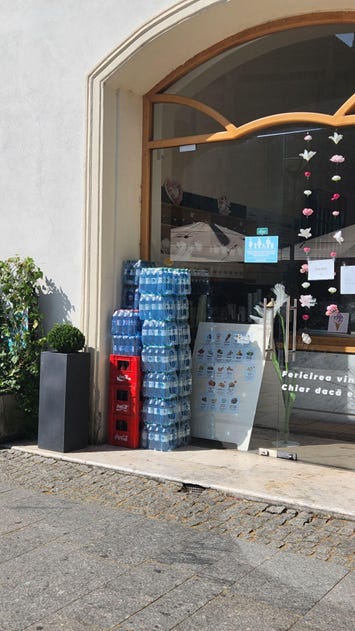
Why do people in the Global North choose to drink expensive, difficult to transport, and environmentally harmful bottled water when they might readily fulfill their thirst with (generally safe) tap water? While scholars have given a number of answers – ranging from the marketing and hype, plumbing poverty, neglect of water infrastructures to lack of trust in the state, and material semiotics of the bottles, we suggest that paying attention to infra- and supra-national scales – including cities, transnationalism and global trade – can offer additional answers.
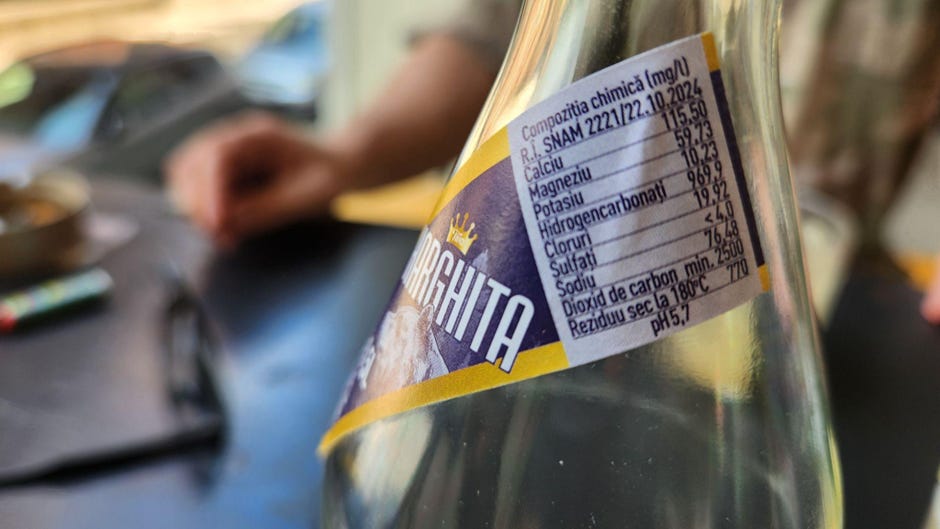
In this project we seek to capture the multiplicity of bottled water in as many contexts as possible, by gathering data on bottled water production, export, import, hospitality cultures, and regulatory aspects, as well as usage in a variety of contexts. The project aims to better understand the variation between countries of the Global North, but at the same time to provincialize the theories and explanations of the rise in consumption of bottled water in the Global South.
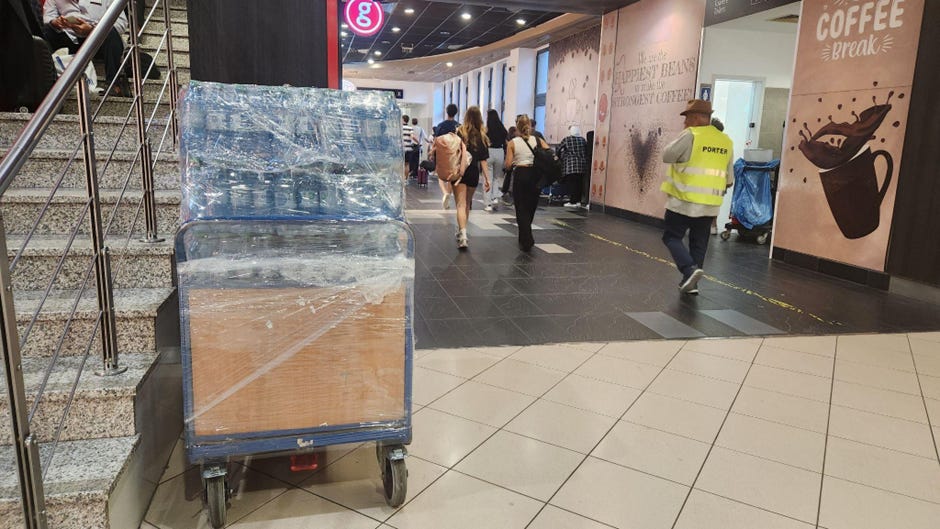
Moving between maximal and minimal scales the project seeks to go past ethnographic refusal for developing new ways of understanding bottled water. We believe that the study of water distribution technologies, including bottled water, might work best through the “careful ethnographic study of groups and the water they spend time with … [rather than assuming] there was a good, whole, even natural way of relating to water and now it has been commodified, privatized, and alienated” (Martha Kaplan 2011, 516–517). Acknowledging that BW are “things with which we are caught up … rather than phobic objects” (Hawkings, Potter and Kane 2015, xxiv) allows us open to new ethnographic objects, such as logistics, labor, resistance, material politics, standards, sensory politics , and new forms of environmental justice movements.
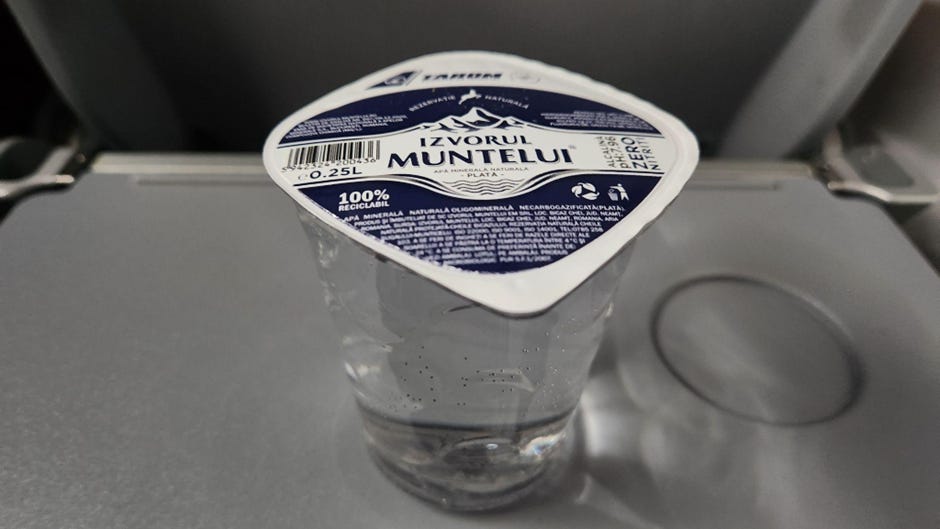
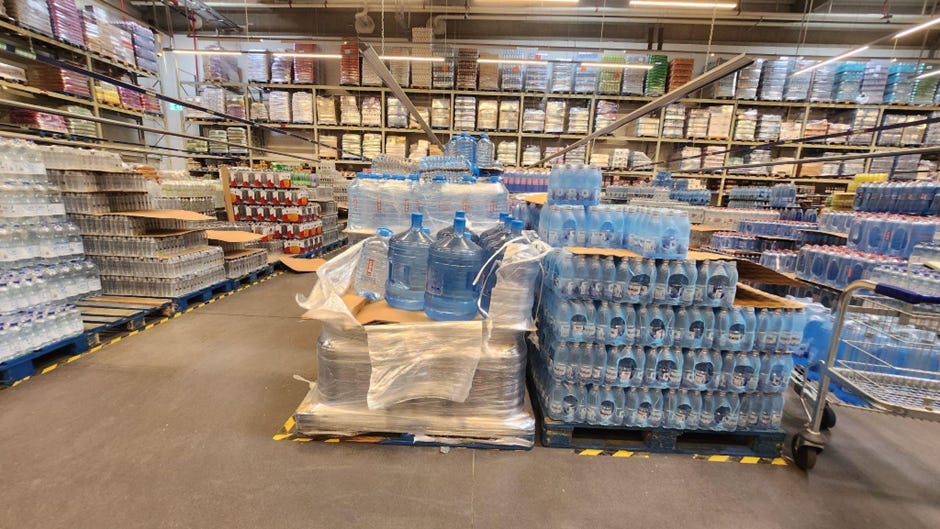
Our project seeks to understand the bottled water production and consumption in Global North and Global South countries. Sometimes water is stored in bottles, other times in sachets, cardboard boxes, aluminum cans, sizable hard plastic and other types of containers. We will also document the long distance trade in bottled water, a particularly energy-consuming form of bottled water consumption.
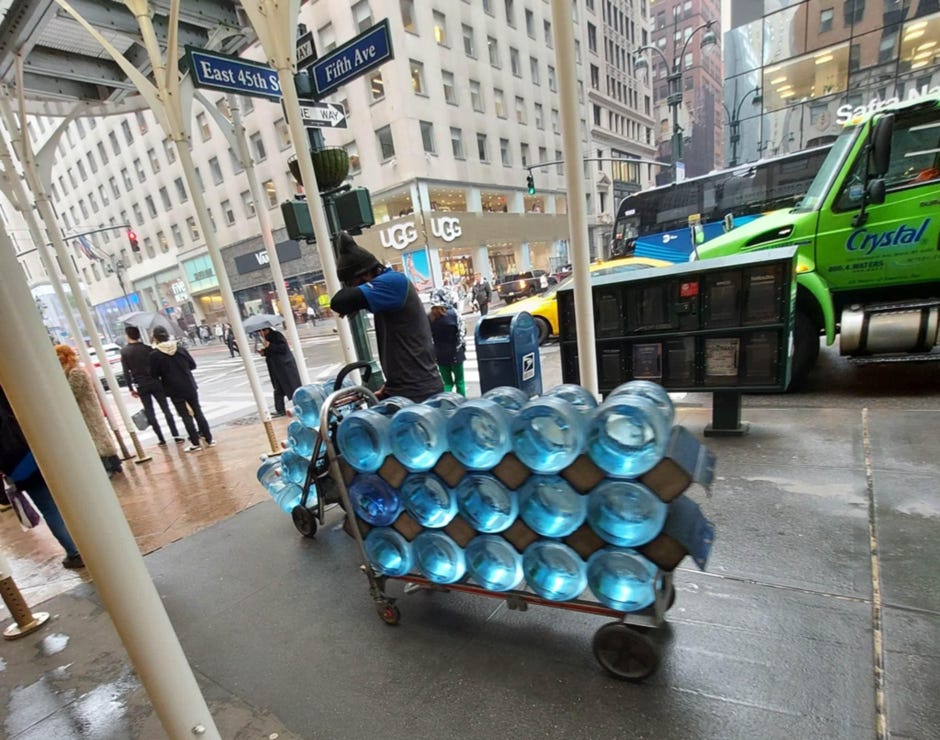
Our project will also delve into how bottled water consumption is shaped in four large cities from Italy (TBD), Romania (Bucharest), Serbia (Belgrade) and the US (New York) by the state of the infrastructure, commercial cultures, tourism, communication strategies of municipal/regional water companies, and bottled water histories. We hope to develop new typologies of bottled water brands/producers by outlining the mechanisms, logistics, and strategies used in city/urban/national/global retail.
The project began in July 2025 and will last until July 2028. We plan to organize in Romania or elsewhere in Europe a workshop on cultures of bottled water in order to create a space of conversation centered around emerging themes, findings, epistemologies and concepts able to help scholars understand a defining trend of the 21st century: bottled water.